
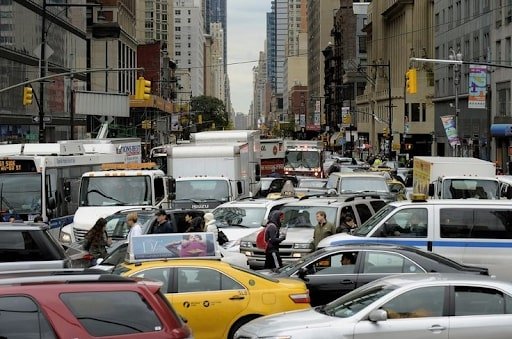
Urban growth brings a lot more than new buildings and busy streets. It increases the complexity of city life. With more cars, buses, pedestrians, and bikes on the roads, safety becomes a major concern. Cities must evolve, and so must the systems that manage their roads. This is where organized traffic control can make a massive difference. It doesn’t just ease congestion—it protects lives.
City Growth Creates New Safety Challenges
As cities expand, so does the pressure on infrastructure. Roads built for thousands now support millions. Intersections become chaotic. Construction zones pop up in every district. Emergency vehicles need clear passage, but delays are common. Pedestrians face risky crossings. Cyclists struggle to find space. It’s a recipe for accidents if not carefully managed. That’s why growing cities need smarter, safer street strategies.
Modern Traffic Control Services Make Streets Safer
Traffic control services involve planning, coordinating, and enforcing movement across streets and highways. These services often include flaggers, signage systems, road barricades, and traffic controllers who manage flow during peak hours or disruptions. Whether it’s a big parade or a lane closure, their presence reduces confusion and increases safety for everyone. The traffic control services, by definition, are trained systems designed to keep traffic moving safely and efficiently in dynamic urban settings.
Construction Zones Benefit From Traffic Control Services
When road work is happening, confusion increases. Drivers may not know where to turn. Lanes may suddenly narrow. Without traffic control services, these zones become dangerous. Control crews provide guidance. They set up clear detours. They prevent accidents by redirecting cars around heavy equipment. In the end, their support protects both workers and road users, ensuring safety in constantly changing construction environments.
Event Management Relies On Traffic Control Services
Big city events draw huge crowds. Sports matches, festivals, concerts—all bring thousands of people to one place. Without proper traffic flow, things can spiral quickly. Gridlock happens. Tempers flare. Emergency access may be blocked. Traffic control services are essential in these scenarios. Their job is to create safe, predictable pathways for both vehicles and people. By doing so, they reduce risks and help cities shine during large-scale gatherings.
Emergency Response Needs Clear Pathways
Every second counts when lives are on the line. Fire trucks, ambulances, and police vehicles can’t afford to sit in traffic. In growing cities, where roads are more crowded than ever, traffic control services often step in during emergencies. They help clear intersections. They manage roadblocks. They communicate with dispatch teams. Their quick action allows emergency teams to reach scenes faster. It’s a hidden part of public safety that most people don’t see—but it saves lives every day.
Pedestrian Safety Improves With Better Traffic Control
Walking in a busy city shouldn’t feel risky. But in many places, crosswalks are ignored, lights are broken, and intersections are confusing. Traffic control teams can install temporary signals, mark safe pedestrian paths, and monitor crossings. By doing so, they help reduce pedestrian accidents and create safer neighborhoods. It’s not just about vehicles. It’s about people—and ensuring everyone can move through the city without fear.
Conclusion
Traffic control services are more than people in reflective vests waving signs. They are the silent organizers of urban life. In fast-growing cities, where chaos can quickly turn dangerous, these services make the difference between order and disaster. From construction zones to emergency response, they ensure that every person—driver, biker, or pedestrian—gets where they need to go safely. As cities grow, so should our investment in keeping their streets safe and steady.