
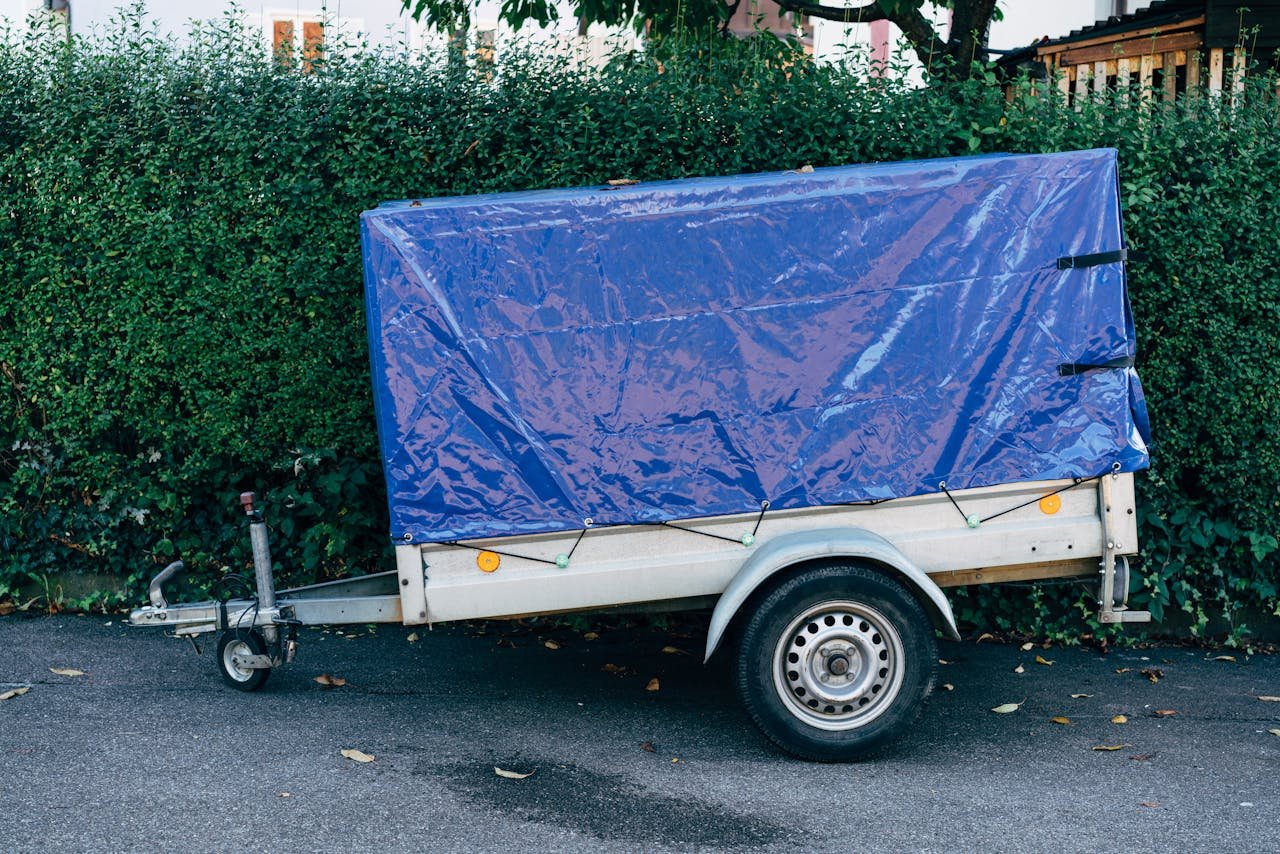
When choosing a trailer, one of the most important decisions you’ll need to make is whether to go for a single-axle or tandem-axle design. Each option offers unique advantages depending on your hauling needs, frequency of use, and budget. Whether you’re towing gear for weekend adventures or transporting equipment for work, understanding the key differences can help you make a more informed decision. Here’s a breakdown of the pros and cons of single-axle vs tandem-axle trailers.
Single-Axle Trailers
Pros:
- Affordability: Single-axle trailers are generally less expensive to buy and maintain. Fewer tyres, brakes, and suspension parts mean lower upfront and ongoing costs.
- Easier Manoeuvrability: Thanks to their compact size and lighter weight, single-axle trailers are easier to manoeuvre in tight spaces, reverse into narrow driveways, and tow with smaller vehicles.
- Lower Fuel Consumption: With less weight and reduced rolling resistance, single-axle trailers typically result in better fuel economy for your tow vehicle.
- Simplified Maintenance: Fewer components mean less that can go wrong. Inspections and repairs are often quicker and cheaper.
Cons:
- Limited Load Capacity: A single axle means the weight must be distributed over fewer wheels, limiting the trailer’s payload capacity.
- Less Stability at Higher Speeds: These trailers can become less stable when fully loaded or travelling at highway speeds, especially in strong crosswinds.
- Reduced Braking Efficiency: Not all single-axle trailers come with brakes, and when they do, braking may not be as effective under heavier loads compared to tandem-axle setups.
Tandem-Axle Trailers
Pros:
- Greater Load Capacity: Tandem-axle trailers can handle significantly more weight, making them ideal for transporting heavy machinery, tools, or materials.
- Improved Stability: The extra set of wheels provides better balance and reduces trailer sway, especially on long-distance trips and uneven terrain.
- Enhanced Braking Performance: More wheels mean more braking power. Tandem trailers often come with brakes on both axles, allowing for safer stopping with heavier loads.
- Durability and Longevity: Tandem-axle trailers are often built for commercial or industrial use, offering stronger construction and better long-term durability.
Cons:
- Higher Costs: You can expect to pay more for a tandem-axle trailer—both at purchase and over time. More tyres, bearings, and brake components mean more maintenance.
- Reduced Manoeuvrability: Tandem-axle trailers require more space to turn and reverse, making them less practical in confined areas.
- Increased Weight: Heavier tare weight means your towing vehicle needs more power, which could result in higher fuel consumption and added strain on your vehicle.
Which Trailer is Right for You?
The best option depends on your specific needs. If you’re a tradie hauling heavy equipment daily or embarking on regular long-distance tows, a tandem-axle trailer offers the strength and stability you need. If you’re a casual user transporting lighter loads or navigating tight urban environments, a single-axle trailer could be the more practical and economical choice. For those who require tailored solutions to meet unique work or lifestyle requirements, investing in custom trailers can be well worth it. Custom builds offer the flexibility to design a trailer that perfectly fits your towing capacity, load type, and frequency of use.
Both single-axle and tandem-axle trailers have their place, and understanding the trade-offs between cost, capacity, and functionality is crucial. Evaluate your specific needs and consider how a well-designed custom trailer could bridge the gap between convenience and capability. With the right trailer, every haul becomes a smoother, safer, and more efficient experience.