
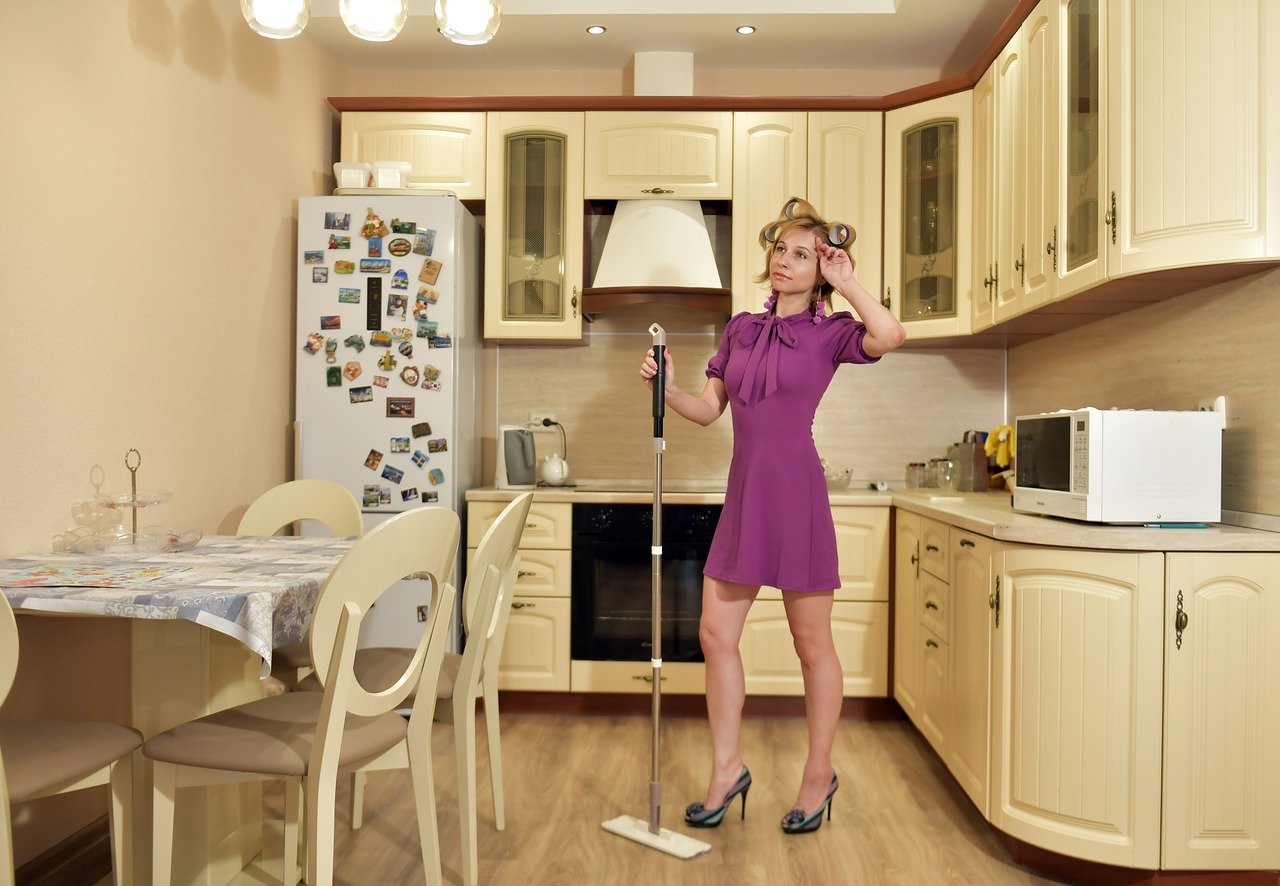
Clear surfaces help you stay focused and feel in control of your home. You reduce visual stress when you keep counters, tables, and shelves tidy each day. You also save time because you avoid searching through piles. A platform like Coupon Follow often highlights simple home habits that help you stay organized with less effort. You can use small steps each day to keep your surfaces clean and easy to maintain.
Start With One Surface
You begin with one area instead of the whole room. You choose a surface that you use often. This helps you build a clear routine without feeling overwhelmed. You clear small items first. You remove trash, dishes, wrappers, or mail. You make the surface empty before adding anything back. This gives you a quick win and builds momentum.
Give Every Item a Home
You assign a place for the items that land on your surfaces. You pick storage that fits your daily routine. You use trays for keys. You use baskets for remotes. You use folders for papers. You avoid leaving items without a home. When things have a set place, your surfaces stay clear with less effort.
Use a Daily Reset Time
You set a short time for tidying your surfaces. You pick morning or night. You stick to the same schedule each day. You spend five to ten minutes returning items to their spots. This small habit keeps surfaces from building clutter. It also helps you stay consistent.
Limit What Stays Out
You choose only a few items to keep on each surface. You keep a lamp. You keep a small plant. You keep one or two decor items. You avoid filling the whole area. Fewer items create a clean look and make wiping easier. You also save time during cleaning routines.
Create Drop Zones
You set a small container for items you use often. You use it near the door for keys or wallets. You use a small tray in the kitchen for spices you use every day. You choose a small basket on your desk for stationery. You prevent random items from spreading across your surfaces. This simple setup helps you avoid clutter buildup.
Remove Paper Piles Fast
Paper creates clutter quickly. You sort mail when it arrives. You recycle junk immediately. You place important papers in a file. You avoid stacking paper on tables. This keeps your surfaces open and easy to clean. Insights from Daily Magazine World often stress the value of handling paper on the same day to prevent clutter spread.
Clear Surfaces Before Bed
You use a nightly habit to check main surfaces. You walk through your living room, kitchen, and bedroom. You remove items that do not belong there. You put them back in their place. This keeps your home tidy when you wake up. You also avoid morning stress because your surfaces look neat.
Avoid Buying Unnecessary Decor
You keep decor simple. You avoid adding items that you will later need to clean around. You focus on functional pieces. You choose items that serve a purpose. This keeps surfaces easy to maintain and reduces dust.
Use Small Storage Tools
You use drawer dividers, small bins, and trays to organize items. You group similar items so you find them faster. You prevent items from returning to the surface. This helps your home stay clear each day.
Clean as You Go
You wipe surfaces right after use. You clean the kitchen counter after cooking. You clear the bathroom counter after brushing your teeth. You tidy your desk after finishing work. These small actions stop clutter from building up.
Set Rules for Common Areas
You set simple rules for your family or roommates. You ask everyone to return items after use. You tell them where things belong. You create a shared routine. This keeps your main surfaces clear and easy to manage.
Place Only Daily Use Items Out
You keep only items you use every day on your surfaces. You store the rest inside cabinets or drawers. This helps you reduce clutter while keeping your essentials easy to reach.
Remove Old Items Often
You check your surfaces weekly. You remove outdated decor, empty containers, or old papers. You refresh your surfaces so they stay neat. You adjust the layout when needed.
Use Labels for Storage
You label bins, boxes, and drawers. This helps you know where everything belongs. It also helps others understand the system. Organized storage keeps your surfaces from filling up again.
Avoid Random Storage Spots
You do not leave items on temporary surfaces like chairs or corners. You return things to their place right away. This stops clutter from spreading to other areas.
Review Your Routine Each Week
You assess your habits at the end of the week. You identify surfaces that collect clutter the most. You adjust your routine. You move items or add storage if needed. You refine the setup until it works smoothly.
Keep Cleaning Supplies Nearby
You store a small cloth or wipe in each main room. You clean surfaces often. You remove dust and fingerprints. A clean surface motivates you to keep it clear.
Use Digital Tools for Paper Tasks
You scan receipts or notes instead of keeping them on tables. You use digital reminders instead of sticky notes. You reduce the physical clutter that covers your surfaces.
Build a Simple End of Day Routine
You take a quick look at your home. You clear surfaces in the living room, kitchen, and bedroom. You follow the same steps each night. This steady practice keeps your home tidy.
Final Thoughts
You keep your surfaces clear when you follow simple daily habits. You reduce clutter when you give every item a place. You protect your time by avoiding buildup. You feel more relaxed when your home looks organized. You can explore more home improvement and lifestyle ideas through platforms like Code Slug, which often share simple workflows that help you maintain clean and functional spaces.