
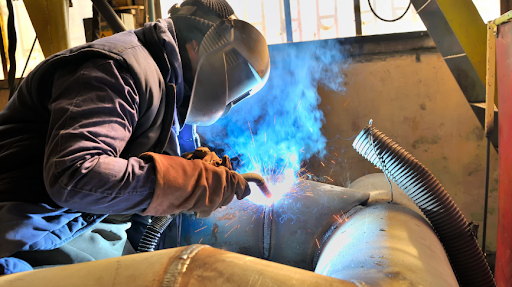
Welding is a critical part of many industries, but it comes with significant health risks due to the fumes generated during the process. These fumes can contain harmful substances, such as ozone, carbon monoxide, and metals like chromium and manganese. Without proper ventilation, workers may be exposed to these hazardous particles, leading to serious health conditions like lung disease or cancer. Welding fume exhaust systems are designed to capture and filter these fumes, ensuring a safer, cleaner work environment. There are several types of fume exhaust systems available, each offering unique benefits depending on the workspace size and specific welding operations.
Why Are Welding Fume Exhaust Systems Important?
Welding produces harmful fumes that contain dangerous metals and gases, such as carbon monoxide, ozone, and particulate matter. These contaminants can lead to respiratory illnesses, lung disease, and other severe health problems. By using a welding fume exhaust system, you can significantly reduce exposure to these harmful substances. These systems help maintain cleaner air in the workspace, protecting workers’ health and the overall cleanliness of the environment. A properly functioning fume extraction system reduces the risk of exposure and complies with safety standards, creating a healthier workspace for welders.
Source Capture Systems
One of the most effective ways to manage welding fumes is through source capture ventilation. These systems are placed close to the welding arc to capture fumes immediately as they are created. This prevents harmful particles from dispersing throughout the workspace. Source capture systems are particularly useful in dedicated welding stations, providing a localized solution that maximizes efficiency. They are easy to set up and can be customized to fit different workstations.
When selecting a source capture system, it’s crucial to consider factors such as the type of welding being performed, workspace size, and the materials being welded. Choosing the right welding fume extractor ensures the system captures fumes effectively without disrupting the workflow.
Large Room Ventilation Systems
For larger workspaces or industrial environments where welding is performed across multiple stations, large room ventilation systems are essential. These systems circulate air throughout the entire space, filtering out smoke and contaminants. While not as localized as source capture systems, large room ventilation systems help maintain overall air quality in large facilities and open areas. They are perfect for manufacturing plants where welding tasks are spread out over a wide area.
Portable Welding Fume Exhaust Units
In smaller workshops or temporary work environments, portable welding fume exhaust units offer flexibility. These mobile units can be moved between different stations to provide targeted filtration where it’s most needed. Portable systems are a cost-effective solution for smaller operations or businesses with changing work demands. They’re also useful in sites where welding may be done in various locations, requiring a flexible ventilation solution.
Centralized systems are ideal for large industrial settings with multiple welding stations. These systems connect several workstations to a central filtration and exhaust system through ductwork. Centralized systems ensure efficient air quality control across the entire facility, providing consistent filtration and extraction for high-volume welding operations. They are a reliable option for larger facilities but require proper design and installation.
Conclusion
Choosing the right welding fume exhaust system is essential for maintaining a safe and healthy work environment. Whether you opt for source capture, portable units, or centralized systems, each system offers unique advantages depending on your specific needs. Investing in high-quality fume extraction systems not only improves air quality but also ensures compliance with workplace safety standards. By selecting the right system, businesses can protect their employees’ health and increase overall efficiency in the welding workspace.