
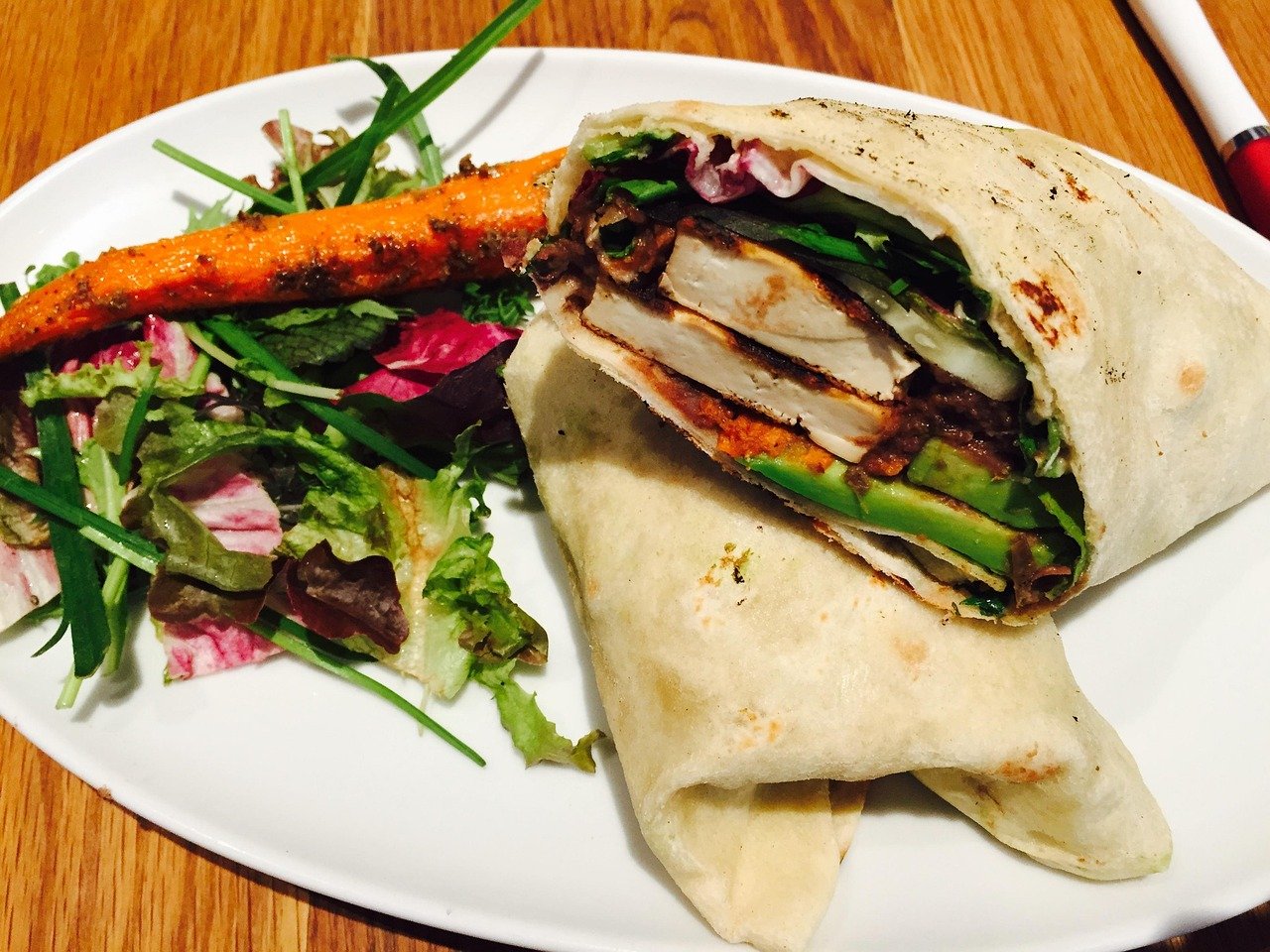
You maintain a healthy diet plan when you follow a clear pattern that supports your energy and daily routine. A healthy diet focuses on whole foods, balanced portions, and steady eating habits. What News 2 Day recently explained how simple adjustments in daily meals help people stay consistent. You make progress when you understand what your body needs and how food affects your performance.
Set Clear and Realistic Goals
You stay on track when your goals match your lifestyle. Avoid goals that feel complex or difficult to follow. Choose goals that you can apply every day. Start with a simple target like adding more vegetables, drinking more water, or reducing sugary snacks. Small goals make your routine easier to maintain.
Plan Your Meals Ahead of Time
Meal planning helps you avoid last-minute choices. Create a weekly plan with breakfast, lunch, dinner, and snacks. Keep your meals simple. Include a protein source, a healthy carb, and vegetables. Planning reduces stress and keeps your eating pattern consistent.
Choose Whole Foods as Your Base
Whole foods support your health better than processed options. Add fruits, vegetables, whole grains, nuts, seeds, eggs, beans, and lean meats to your meals. These foods give you vitamins, minerals, and fiber. You feel more energetic during the day when your meals rely on whole ingredients.
Keep Your Portions Balanced
Balanced portions help you maintain your diet. Fill half of your plate with vegetables, one quarter with protein, and one quarter with whole grain carbs. This simple structure keeps your meals steady.
Stay Hydrated Throughout the Day
Water supports digestion and keeps your energy stable. Drink water before each meal. Carry a bottle with you to avoid dehydration. Hydration helps your body absorb nutrients and improves your focus.
Limit Processed Foods and Added Sugar
Processed foods add calories without strong nutrition. Reduce packaged snacks, sugary drinks, refined breads, and instant meals. These foods affect your energy and make your diet harder to maintain. Replace them with fresh options whenever possible.
Eat at Regular Times
When you eat at the same times each day, your body maintains a steady rhythm. Regular meals help control hunger and prevent overeating. Try to avoid skipping meals because it often leads to unhealthy snacking later.
Prepare Healthy Snacks in Advance
Healthy snacks help you avoid impulse eating. Keep options like fruits, nuts, yogurt, or boiled eggs ready. Place them where you can reach them quickly. Hover Phenix recently shared how easy access to healthy snacks improves eating habits.
Add More Fiber to Your Diet
Fiber helps digestion and supports a healthy weight. Add vegetables, fruits, oats, beans, and whole grains. Fiber also keeps you full for longer, which helps you manage your portions.
Include Healthy Fats in Your Meals
Healthy fats support your brain and hormones. Add avocado, olive oil, nuts, seeds, or fatty fish to your meals. These foods help you stay satisfied and reduce cravings.
Stay Mindful While Eating
Pay attention to what you eat. Avoid screens during meals. Eat slowly. Listen to your hunger and fullness signals. These steps help you avoid overeating and improve digestion.
Use Simple Cooking Methods
Cook your meals in easy ways. Use grilling, steaming, boiling, or baking. These methods help reduce extra oil and keep your meals light. Avoid deep frying.
Review Your Eating Pattern Weekly
Take a moment each week to look at your meals. Check what worked and what needs improvement. Adjust your plan as needed. This helps you improve your diet without pressure.
Create a Supportive Kitchen Environment
Your kitchen setup affects your food choices. Keep healthy items at the front of your fridge or shelves. Store snacks out of sight. Prepare your vegetables and fruits in advance. A simple kitchen layout helps you follow your diet easily.
Practice Moderation Instead of Restriction
Avoid strict rules that make your diet hard to maintain. Eat your favorite foods occasionally, but keep portions small. This helps you stay consistent and reduces cravings.
Add Simple Movement to Support Your Diet
Physical activity helps your body use nutrients effectively. Add short walks, light stretching, or simple home exercises. You increase your energy and support your eating habits.
Manage Stress to Avoid Emotional Eating
Stress can affect your food choices. Use short breathing practices, journaling, or a quick walk to manage stress. When you keep your mind calm, you make better food decisions.
Answer Ques recently discussed how emotional balance improves diet consistency.
Sleep Well to Support Your Diet
Your sleep affects your hunger and metabolism. Maintain a fixed bedtime. Reduce screen use in the evening. Keep your room cool and quiet. Better sleep supports your diet goals.
Stay Consistent With Small Steps
You maintain a healthy diet when you focus on progress and not perfection. Use simple actions. Plan your meals. Drink enough water. Add vegetables daily. These steps guide you toward a stable and healthy eating pattern.